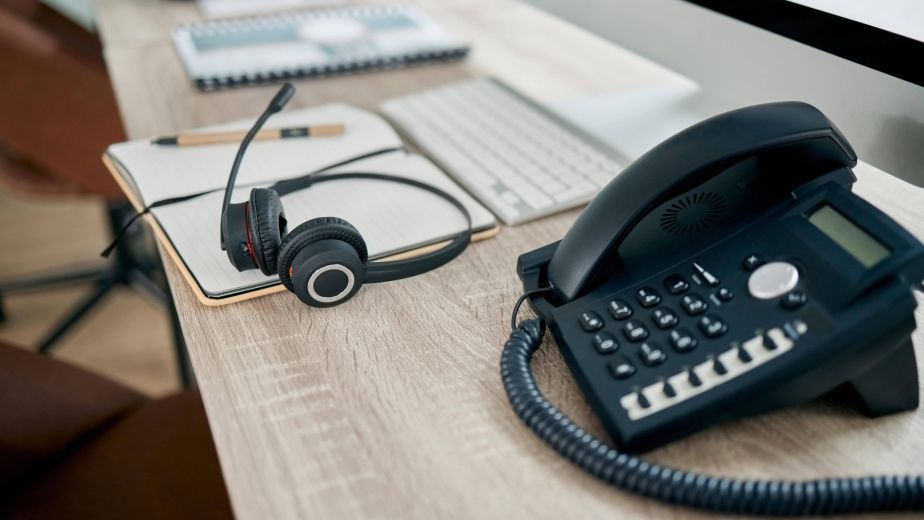
Selecting a modern hotel PBX system requires balancing guest expectations, operational workflows, and existing physical infrastructure. This guide provides hospitality IT leaders and general managers with a practical technical blueprint for upgrading on-premises legacy voice platforms to resilient, hybrid IP communications. Readers will gain actionable insight into Property Management System (PMS) integration, cabling reuse, life-safety requirements, and vendor evaluation.
Key takeaways
- Retain existing 2-wire analogue guest room cabling using high-density FXS gateways while running native IP back-of-house.
- Integrate voice directly with PMS platforms (such as Oracle Hospitality Opera or protel) using standard FIAS or modern REST APIs for automated billing and room status updates.
- Deploy hybrid architectures to maintain continuous local survivability and emergency calling during wide-area internet disruptions.
- Comply with international emergency dispatch regulations by configuring direct emergency dialing and granular room-level location reporting.
Beyond the Front Desk: What Defines a Modern Hotel PBX System?
Legacy hospitality communications relied heavily on proprietary, cabinet-based hardware. These legacy PBX systems handled basic analog voice traffic across guest rooms and administration desks. However, maintaining these discontinued systems has become increasingly risky due to scarce replacement parts and rising maintenance contracts. Modern hospitality environments demand a software-driven hotel PBX system that acts as a collaborative operational hub rather than a standalone telephone switch.
Today, platforms powered by modern telephony solutions integrate customer service workflows directly into property operations. Front-of-house agents, housekeeping, food and beverage, security, and maintenance teams require instant, coordinated voice access. For multi-property management groups, contemporary platforms allow centralised management across distinct geographical sites, reducing administrative overhead while providing unified guest routing rules.
According to Telecom Reseller / Technology Reseller News, CallTower highlighted how integrated cloud communication portfolios serve global teams by consolidating disparate tools into single-pane administrative platforms. In enterprise hospitality, this consolidation bridges the historical divide between front-desk reservation consoles and back-of-house facilities management.

Deployment Models: Cloud, On-Premises, and Hybrid Hospitality Architecture
Choosing the correct deployment architecture represents the foundational decision when sourcing a modern hotel IP PBX. While pure cloud voice has transformed standard corporate office environments, hospitality properties face distinct operational challenges that influence infrastructure design.
| Architecture | Key Strengths | Operational Trade-Offs | Best Fit |
|---|---|---|---|
| Pure Cloud | Zero on-site server hardware, centralised multi-property control, automatic updates. | Requires stable guest room internet; WAN outages drop internal guest services. | Boutique hotels with modern structured Category cabling and redundant fibre. |
| On-Premises Appliance | Total data sovereignty, operates without internet, near-zero recurring licence fees. | Requires local server maintenance, manual hardware failover, physical rack space. | Isolated resort properties with limited or high-latency WAN connections. |
| Hybrid Architecture | Local survivability for room-to-desk voice, cloud administrative redundancy, gateway flexibility. | Requires careful gateway configuration and scheduled local firmware management. | Mid-to-large full-service hotels and properties upgrading legacy copper wiring. |
For most established hospitality environments, a hybrid architecture offers the optimal operational balance. Pure cloud implementations mean that a wide-area internet cut stops guest calls to reception, room service, or emergency lines. A hybrid design places local survival nodes or IP gateways on-premise to guarantee uninterrupted internal communications during an internet failure, while cloud-connected controllers manage off-site routing, central reporting, and remote administration.
PMS PBX Integration: Connecting Voice to Opera and Core Middleware
A hospitality phone deployment delivers full operational value only when tightly integrated with the core Property Management System (PMS). Seamless PMS PBX integration removes manual front-desk processes, reduces human error, and ensures timely guest services billing.
Hotels typically connect telephone systems to platforms like Oracle Hospitality Opera, protel, or Maestro using the Fidelio Interface Application Specification (FIAS) protocol or modern secure REST APIs. When a guest arrives, the check-in event in the PMS triggers immediate automated actions within the PBX engine:
- Guest Name Synchronization: The PBX updates caller identification displays so that receptionists and room service staff immediately see the guest’s name upon answering.
- Class-of-Service Provisioning: The guest extension is automatically unbarred for external and international dialing based on front-desk deposit authorization.
- Housekeeping Status via IVR: Room attendants use the guest-room phone to dial an internal IVR code (e.g., *71 for clean, *72 for maintenance inspection), instantly updating room availability in the PMS.
- Minibar Posting: Attendants can post minibar consumption codes through the telephone keypad directly onto the guest’s digital folio.
- Automated Call Accounting: Outbound telephone charges are instantly calculated by call accounting software and posted directly to the PMS room account before checkout.
Upon guest checkout, the PMS automatically triggers extension barring, clears the guest’s personal voicemail box, and resets wake-up configurations to maintain strict data privacy.
Guest Room Endpoints vs Back-of-House: The FXS Gateway Strategy
The single greatest financial obstacle when upgrading a hospitality phone system is the high cost of rewiring hundreds of guest rooms. Pulling structured Category 6 Ethernet cables through multi-storey concrete buildings can disrupt operations and strain capital budgets. Fortunately, operators do not need to replace working analog room wiring to deploy modern IP voice.
By utilizing high-density FXS VoIP gateways from established hardware manufacturers, hotels can connect existing legacy 2-wire analogue cabling directly into the modern IP network. These rack-mounted gateways convert analogue phone signals to SIP packets, delivering cost-effective voice to every guest room phone system without touching in-wall wiring.
Conversely, back-of-house teams benefit substantially from native IP deployment. Dedicated administrative workspaces, such as reservations and finance, can deploy feature-rich Yealink IP phones with high-definition audio, busy lamp fields (BLF), and programmable softkeys. Concierge desks, facility engineers, and mobile housekeeping supervisors can carry ruggedised DECT or enterprise Wi-Fi handsets, ensuring immediate reachability across property grounds.
Critical Hospitality Features: Automation, IVR, and Group Paging
A resilient hotel PBX system must provide purpose-built features engineered around hospitality guest experiences and duty-of-care requirements.
Automated Wake-Up Call Management
Manual wake-up call services are prone to human error during busy morning shifts. Modern platforms offer automated wake-up engines configurable via the front desk interface or programmed directly by the guest through interactive room phone prompts. The system schedules automated outbound calls with multi-language voice prompts. If the guest fails to answer after a predefined threshold (such as three attempts spaced three minutes apart), the PBX automatically triggers a silent alert to the front desk dashboard so staff can perform a physical wellness check.
Dynamic Routing and Night Audit Handover
Hospitality shifts change dynamically. Outside peak hours, the PBX can automatically reroute general inquiries, concierge requests, and room service calls to the night auditor’s wireless handset or an affiliated sister property, preventing abandoned calls without requiring extra night staff.
Facilities Paging and Administrative Voicemail
In large resort complexes, instant emergency announcements and team-wide instructions are vital. Integrated SIP paging zones allow managers to broadcast instructions to specific functional zones—such as back-of-house kitchens, loading bays, or administration corridors—directly through IP phone speakerphones or overhead horn arrays. For executive staff, integrated voicemail-to-email services ensure urgent messages from suppliers or corporate clients reach mobile devices without delay.
Life Safety and Regulatory Compliance: Emergency Calling Protocols
Hospitality communications carry strict life-safety obligations. When an emergency strikes, room occupants must be able to reach local emergency services instantly, and property security must immediately know where help is needed.
Modern international safety standards, including principles established under standards like Kari’s Law and RAY BAUM’s Act, require enterprise PBX platforms to support specific emergency routing behaviors:
- Direct Emergency Dialing: Handsets must allow users to dial emergency numbers (such as 911, 999, or 112) directly without requiring an outside-line prefix (such as dialing ‘9’ or ‘0’ first).
- Immediate Front-Desk Notification: The moment any guest room or administrative phone dials emergency services, the PBX must immediately alert the front desk and security team via screen pop-ups, automatic audible ringdowns, SMS, or email to facilitate access for first responders.
- Dispatchable Location Identification: The telephony platform must convey granular location data. Emergency dispatchers require precise location information, including room number, wing, and floor level, rather than just the hotel’s general street address.
Failing to configure direct emergency routing exposes hotel management to substantial legal liability and endangers guest safety during critical incidents. Reliable guidance from established enterprise bodies, such as the International Telecommunication Union (ITU), highlights why clear national and regional emergency calling configurations remain fundamental to telecommunications safety.
Evaluation Checklist: Total Cost of Ownership and Carrier Selection
Procuring a new hotel voice platform requires a thorough financial and operational assessment. Hospitality executives should review software licensing, SIP carriers, and power reliability before signing long-term deployment agreements.
Licensing Models: Extension vs Concurrent Call Channels
Traditional PBX systems charged steep licensing fees per extension. In a 300-room hotel where guests rarely make external calls simultaneously, paying per extension is financially inefficient. Modern platforms, such as those built on 3CX business communications or appliance platforms like Yeastar, often charge based on simultaneous calls (concurrent call paths) rather than endpoint seat counts. This approach allows hotels to register hundreds of guest phones cost-effectively while paying only for active peak trunk capacity.
SIP Trunking Optimization
Replacing legacy digital ISDN/PRI carrier lines with managed SIP trunking provides substantial savings on external call routing. When evaluating SIP carriers, ensure they offer redundant routing paths, robust encryption protocols, and dynamic call bursting to handle sudden spikes during peak check-in seasons or corporate conferences.
Checklist for Supplier Selection
When selecting a hospitality communications partner, IT directors should review key operational capabilities:
- Demonstrated PMS Interoperability: Can the provider verify live, stable deployments using your specific PMS software and middleware version?
- Proven Gateway Engineering: Does the team have hands-on experience calculating loop length, line impedance, and ring-voltage delivery across legacy copper cable plants?
- Redundant Power Architecture: Is the on-premise hardware backed by uninterruptible power supplies (UPS) and integrated into facility generator circuits to preserve life-safety communications during utility outages?
- 24/7 Hospitality SLA: Does the managed support contract provide round-the-clock emergency escalation, guaranteeing rapid response times for front-desk and PMS interface disruptions?
Modernising Your Hotel Communications
Modernising your hotel voice infrastructure does not require abandoning existing analogue cabling or disrupting guests with invasive room-by-room construction. By implementing a hybrid hotel PBX system, hospitality operators can deploy modern IP communications for staff, protect legacy wiring with high-density gateways, and maintain full PMS automation across guest services.
As an international enterprise technology partner, Call Experts designs and deploys dependable voice, networking, and infrastructure solutions engineered around property operational resilience. To evaluate your property’s communications migration or request a comprehensive architecture review, visit our contact page to speak with our engineering team.
Frequently asked questions
Can a hotel keep its existing guest room phones when upgrading to an IP PBX?
Yes. Hotels can retain their analogue guest-room handsets and existing 2-wire copper wiring by installing high-density FXS VoIP gateways. These gateways convert analogue telephone signals into SIP packets, allowing legacy room endpoints to interface seamlessly with modern IP PBX servers without expensive rewiring.
What is the difference between FIAS and REST API in PMS integration?
FIAS (Fidelio Interface Application Specification) is a long-standing, TCP/IP-based legacy communication protocol used widely by Micros Opera and older hospitality platforms. REST APIs represent modern, lightweight web services protocols that exchange encrypted JSON data, providing faster, more flexible bidirectional integration between modern cloud PMS platforms and phone systems.
Why is a hybrid PBX architecture preferred over pure cloud for large hotels?
A hybrid PBX maintains local survivability hardware on-site. If the hotel loses its wide-area internet connection, internal room-to-room, room-to-reception, and direct emergency calling remain fully functional. Pure cloud architectures rely completely on active internet connectivity, meaning a WAN disruption can knock out all internal guest services.
How does automated housekeeping status work through the hotel phone system?
Room attendants dial a predefined feature code on the guest-room telephone keypad, followed by an operational status digit (for example, marking a room clean or inspected). The PBX instantly passes this information to the Property Management System via the interface middleware, updating room availability for the front-desk team immediately.
Sources
- How CallTower Builds One-Stop Cloud Communications For Global Teams — Telecom Reseller / Technology Reseller News, 2026-10-12